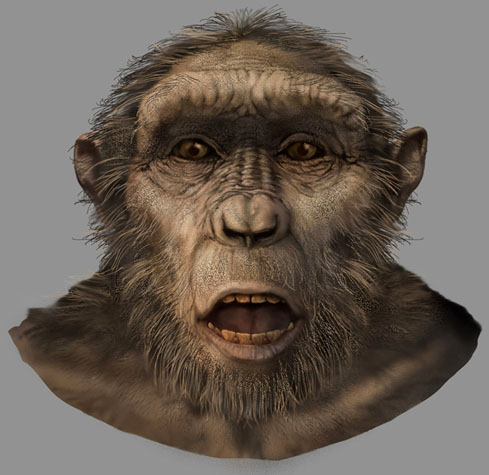
The Sahelanthropus tchandensis fossil was found in 2001 in Toros-Manalla site 266, Chad. They inhabited the planet seven to six million years ago.
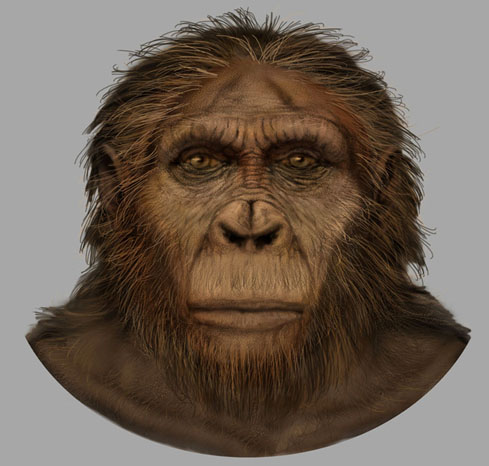
The Kenyanthropus platyops fossil was found in August 1999 in Lomekwi and East Turkana, Kenya. They inhabited the planet four to three million years ago.
The Australopithecus africanus fossil was found in October 1924 in Taung also Sterkfontein Makapansgat, South Africa. They inhabited the planet three to two million years ago.
The Paranthropus aethiopicus fossil was found in August 1985 in Lake Turkana, Kenya. They inhabited the planet three to million years ago.
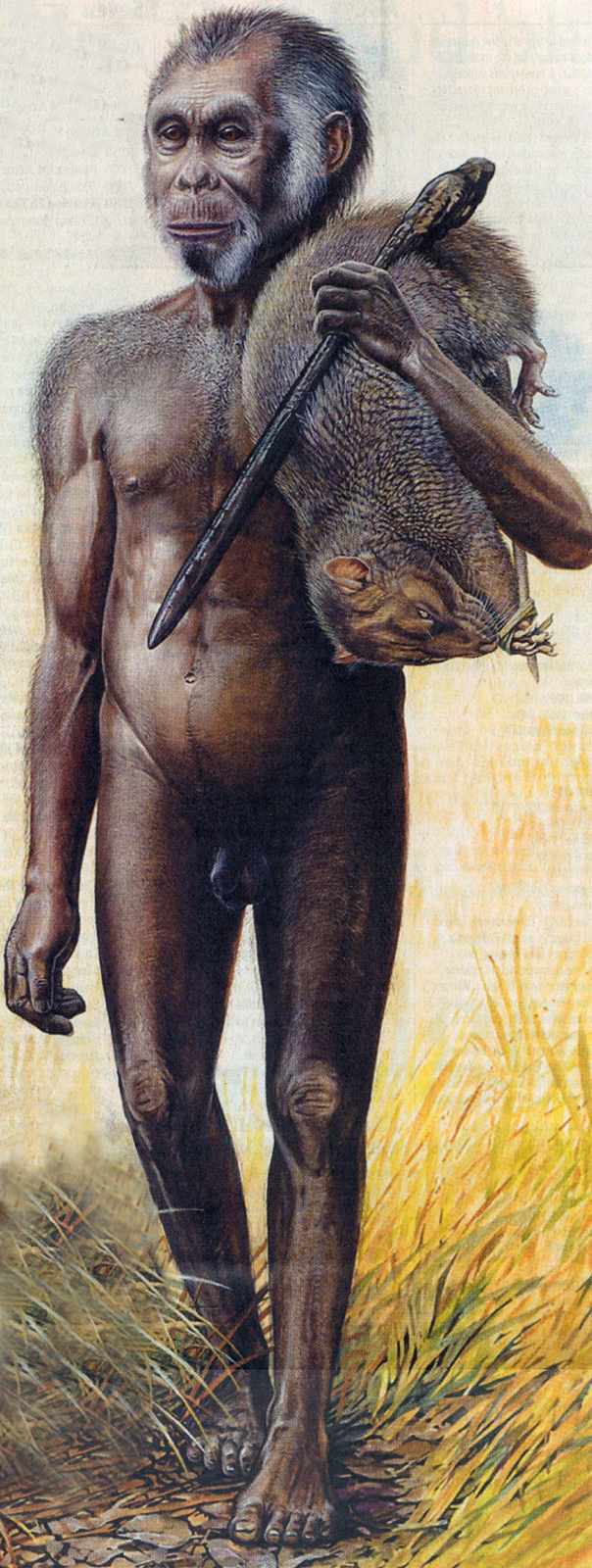
The Homo floresiensis fossil was found in September 2003 in Liang Bua cave, Flores Island, Indonesia. They inhabited the planet 100,000 to 12,000 years ago.
Throughout the history of Earth, several different hominids have inhabited the planet that ranges from a million years ago to today. The oldest hominid fossil ever, Sahelanthropus tchadensis, has lived on Earth 10 to 7 million years ago. Throughout time, the hominids have evolved due to the environment they have to adapt to. This is the reason why the different fossils that have been found are different from each other yet still have similar characteristics. The type of hominid inhabiting our planet now are Homo Sapiens.
Sources:
Becominghuman.org
Google Images